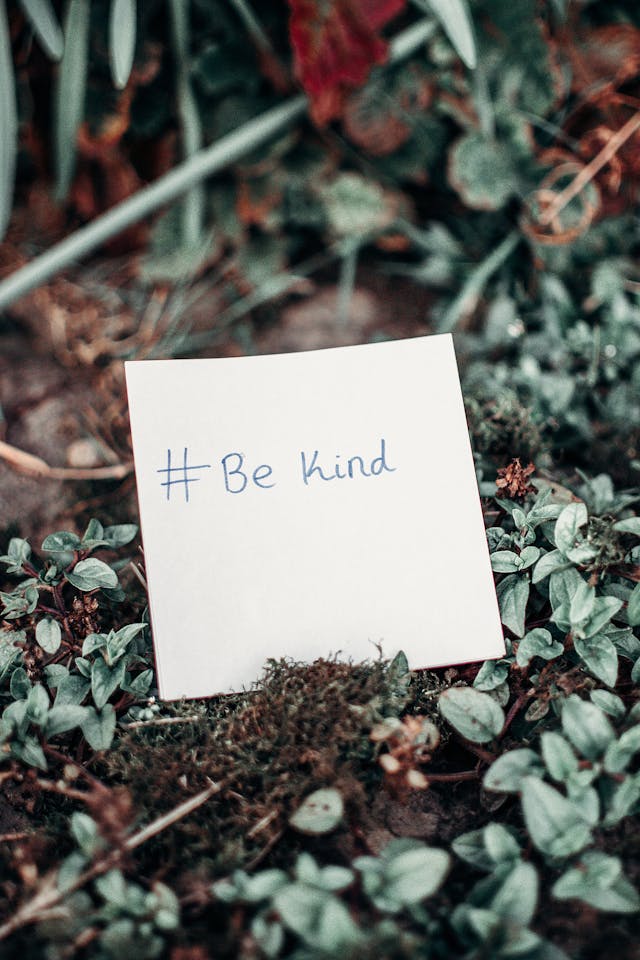
In a world that often feels heavy, divided, and overstimulated, it’s easy to wonder whether small acts of kindness actually matter. Can a smile from a stranger soften someone’s day? Can a moment of patience shift the energy in a room? Can a simple “How are you really doing?” ease someone’s silent burdens?
The answer is yes — and far more than we realize.
Everyday kindness may not make headlines, but it transforms lives. Quietly. Consistently. And often, in ways we never get to see.
These seemingly minor choices create ripple effects. They influence mood, mindset, and emotional safety. And when practiced regularly, they become the unseen threads that stitch together a more compassionate world.
This isn’t about grand gestures or fixing all the world’s problems. It’s about how we show up — moment by moment — with empathy, presence, and care. And it’s in these small waves of kindness that true collective healing begins.
Why Small Acts Matter
In times of crisis or social urgency, we’re often called to think big — to organize, donate, advocate, or rebuild. These are vital efforts. But alongside those larger movements, we need the quieter work of everyday compassion.
Because not everyone can march or make a donation. But everyone can choose kindness. Everyone can plant seeds in the lives they touch — at the grocery store, in an elevator, during a Zoom call, or while waiting in traffic.
Everyday kindness creates emotional oxygen. It restores what stress depletes. And it invites others to soften as well.
Kindness is contagious — not just emotionally, but biologically as well. Studies show that witnessing or receiving kindness increases oxytocin (the bonding hormone), lowers cortisol (the stress hormone), and inspires people to pay it forward.
So when you offer a small gesture of kindness, you’re not just helping one person. You’re creating a ripple — one that can stretch across a room, a day, or even a lifetime.
The Role of Everyday Kindness in Collective Healing
Collective healing isn’t only about what happens in therapy rooms, community circles, or social movements. It also lives in the choices we make within our daily relationships.
The way we greet people. The way we hold space for difference. The way we treat someone when no one is watching.
In a culture where many are overwhelmed, disconnected, or numbed out, everyday kindness becomes a balm. It reminds people that they matter — even when the world forgets to say so. It helps repair emotional ruptures created by neglect, inequality, or chronic stress.
Kindness can’t solve everything. But it can create the conditions for healing. It can reopen doors that fear has closed. It can inspire courage where shame once lived.
And over time, as those individual sparks of compassion multiply, something larger begins to shift. Collective healing becomes not just a concept, but a lived experience — felt in neighborhoods, classrooms, workplaces, and families.
How to Practice Everyday Kindness (Without Burning Out)
Kindness doesn’t have to drain you. When it’s practiced from a grounded place — not out of obligation or self-erasure — it can actually refuel you.
The key is to make kindness conscious and sustainable.
This means:
- Offering without expectation of praise or return
- Setting healthy boundaries so your giving doesn’t lead to resentment
- Choosing presence over performance
- Letting go of the need for significant impact — and trusting that small is still meaningful
You don’t have to do it all. You merely have to do something, consistently, with heart.
Small Acts of Kindness Can Shift Someone’s Entire Day
You never know what someone else is carrying. What seems small to you might feel monumental to them.
Here’s a list of simple ways to practice everyday kindness — each one a thread in the larger fabric of collective healing:
- Make eye contact and smile at people you pass, especially service workers and strangers.
- Send a voice note or message to someone who’s been quiet lately, just to check in and see how they’re doing.
- Let someone go ahead of you in line, especially if they seem tired or overwhelmed.
- Offer sincere appreciation, not just for what someone does, but for who they are.
- Listen without interrupting or giving advice, even when it’s tempting to fix.
- Give up your seat for someone, even if they don’t “look like” they need it.
- Leave encouraging notes or sticky messages in shared spaces (cafés, bathroom stalls, offices).
- Say someone’s name during conversation — it builds warmth and recognition.
- Hold the door, even if someone’s a few steps away. That moment of pause creates a connection.
- Forgive minor mistakes quickly, like being cut off in traffic or someone snapping under stress.
These are not dramatic gestures. But they are felt. Deeply. And they often come exactly when someone needs them most.
The Inner Impact of Being Kind
While kindness supports others, it also transforms you.
When you regularly practice everyday kindness, your nervous system benefits. Your worldview softens. Your sense of purpose expands. You become more attuned to beauty, gratitude, and interdependence.
You’re also more resilient — not because you avoid hardship, but because you’re actively nurturing connection. And connection is what sustains us through life’s inevitable rough patches.
Kindness isn’t weakness. It’s strength — the kind that can carry both sorrow and joy. The kind that stays present, even when it’s easier to shut down.
And the more you practice it, the more it becomes second nature. Like a muscle. Like a prayer. Like a quiet revolution.
You Are the Ripple
It’s easy to underestimate your role in the bigger picture. But the truth is, the world you want to live in — kinder, more conscious, more compassionate — is shaped by how you speak, how you listen, and how you respond in ordinary moments.
So the next time you wonder whether it matters, remember this:
- Someone is one kind word away from hope. One small gesture away from relief. One honest presence away from feeling human again.
Everyday kindness may not always be seen. But it is always felt.
And in that feeling, collective healing quietly begins.